


I've taught creative writing for years, in universities, writers’ centres, libraries and festivals, online and in person, and the people who come to these courses are always wildly different.
Some have been writing for decades, others have barely written anything since school and arrive nervous, apologising before they have even read a sentence aloud. Some are hugely talented and some are not, which is a difficult and sometimes unpopular thing to say, but it makes it no less true.
More and more, the conversation turns towards publication. How do I get an agent? How do I know when the novel is ready? Why am I still being rejected? People tell me they have done five courses, ten courses, an MA, sometimes another MA, and are confused that nothing has happened. They have spent the money, taken the feedback and rewritten the novel. Surely they should be published by now.
I understand the ambition. I did an undergraduate degree in English, then a Masters in Creative Writing, then a PhD in Creative Writing, which is a ridiculous amount of time to spend studying something that guarantees no job or success at the end of it. I wrote a novel that went out to publishers and received beautiful rejections, editors writing long emails about what they admired before explaining that they would not be publishing it.
Not everyone who writes will be published, and not everyone who writes should be. That does not mean they should stop.
That novel remains unpublished. During the years I spent writing it, I was working, teaching, living abroad, getting married and having children. I was building a life that did not look as though it would include being a novelist. Still, I wasn’t waiting for my real life to begin. I loved books, was thirsty for knowledge and wanted to write better. The novel going nowhere doesn’t take that away.
I make part of my living teaching writing and assessing manuscripts, so I believe courses can help. But no course can promise publication, and completing enough of them does not mean a writer is owed it. Talent matters. So do judgement, curiosity and the ability to recognise what is and isn’t working in your own writing. We are responsible for our ambitions, but also, at some point, for knowing our limitations.
I play tennis several times a week, take lessons and spend more money on rackets than my ability deserves. I want to improve, but I know I will never play at Wimbledon. Nobody watches me hit another forehand into the net and suggests I should be on Centre Court. I’m allowed to enjoy tennis without believing it will become my profession, and my enjoyment of it is not lessened by knowing how good I am.

Writing can be the same. A writing group can give people friendship, confidence, a reason to read differently and somewhere to go every week. The outcome can be the hours spent around a table, drinking tea, reading stories and talking about sentences. It can be the enjoyment of the time passing.
Not everyone who writes will be published, and not everyone who writes should be. That does not mean they should stop. It means writing can be a hobby, and hobby need not be said sadly, as though it is what remains when the real dream has failed. For many people, that can be the start, middle and end of it: they write because they enjoy writing. I’m not sure why we keep telling them that should not be enough.
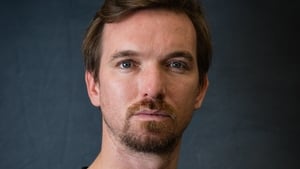
About The Author: Patrick Holloway is a prize-winning writer of fiction and poetry. His debut novel, The Language of Remembering was published in 2025, and his second novel, Interlude is forthcoming in 2027.
The views expressed here are those of the author and do not represent or reflect the views of RTÉ
