


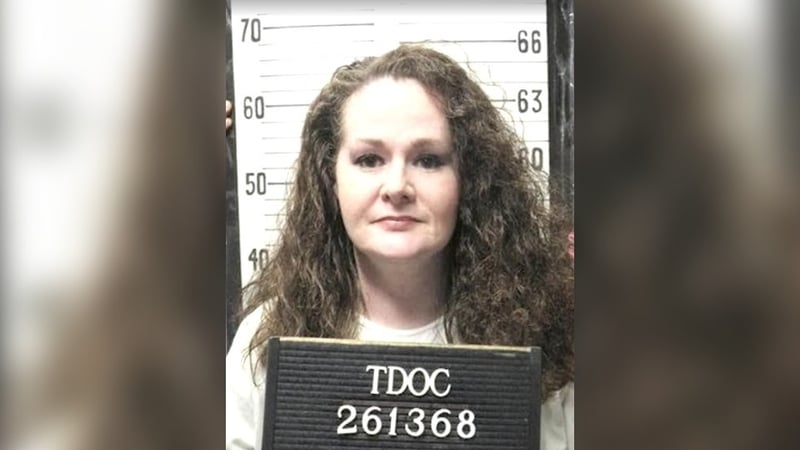
A condemned female murderer who survived two attempted lethal injections during a botched execution by the US state of Tennessee was in critical condition and receiving "life-saving care", her lawyer said.
Tennessee officials were unable to put Christa Pike to death yesterday for a 1995 murder despite administering two doses of a lethal drug.
"Christa is alive right now," said Randall Spivey, who is one of Pike's lawyers.
"What we have been told is that she is in critical condition, receiving life-saving care," Mr Spivey said in a virtual news conference.
He urged Governor Bill Lee, who had denied a clemency request earlier in the week, to scrap Pike's death sentence.
"After having endured solitary confinement for more than 20 years and a full attempt to kill her by lethal injection, Christa has endured punishment greater than any other person in the history of the American death penalty. The governor must commute Christa's sentence now."
Pike was alive and loudly snoring after the attempted lethal injection and taken by ambulance from the prison, her lawyers said earlier.
Pike, 50, had been scheduled for execution at 10am local time yesterday for the killing she committed at the age of 18 and would have been the first woman executed in Tennessee in more than 200 years.
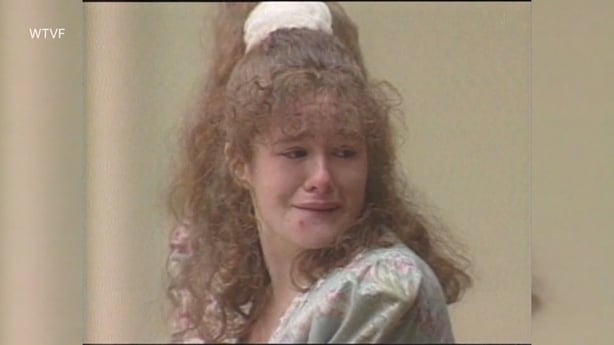
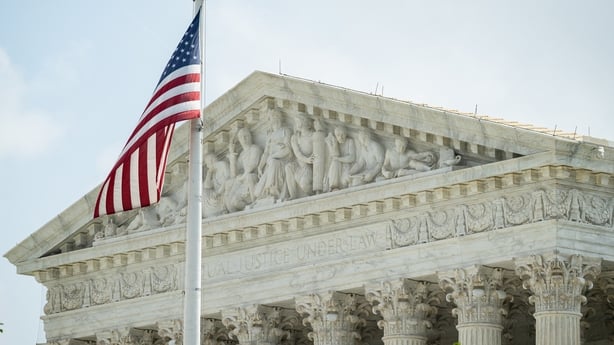
An appeals court stopped the lethal injection just an hour before it was to start and hours later, the US Supreme Court overturned that stay.
Officials gave Pike two doses of pentobarbital, her lawyers said in court filings late yesterday.
Her lawyers repeated their calls for Pike's sentence to be commuted to life in prison after enduring what they called "chemical torture."
A death penalty expert said it was an unprecedented failure.
Robin M Maher, executive director of the Death Penalty Information Centre, said what Pike experienced is "singular and unparalleled".
'Nothing about today was normal,' say media witnesses
She appears to be the first person known to have survived after execution drugs entered her body, according to the Death Penalty Information Center, a non-profit group in Washington.
Seven other people have survived medical problems due to the execution team's failure to access a vein to administer lethal injection drugs, but no one has stayed alive after receiving the drugs used in such executions, she said.
Pike's lawyers said: "We take no pleasure in being right, but the concerns raised by Ms Pike proved to be true: Difficult vein access, blown veins, degraded pentobarbital, no emergency medical care available when things inevitably go wrong, all under a protocol that remains veiled in secrecy."
Media witnesses observing from a separate room said officials raised curtains to the execution chamber at 7.27pm, showing Pike strapped to a gurney.
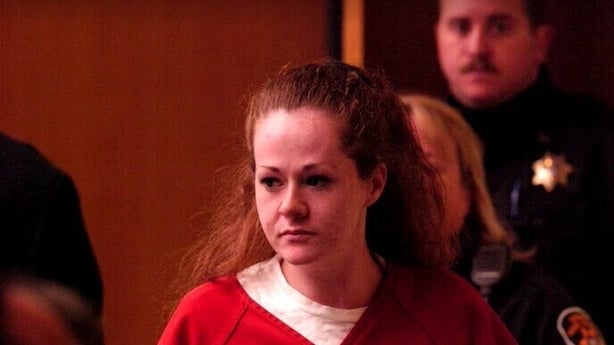
Pike remained awake and at one point raised her head and asked prison officials if her arm was supposed to feel that way. It was not clear what she was referencing.
By 8.26pm, execution witnesses reported that the second dose of pentobarbital had been administered.
Pike continued to be heard snoring behind the closed curtain until the microphone was cut off at 8.53pm.
At that time there was an announcement to escort media witnesses out of the area.
Tennessee Department of Correction spokesperson Dorinda Carter told media witnesses she was unable to immediately provide information about what happened.
Lawyers for Pike filed an emergency motion late yesterday to the US Supreme Court seeking to immediately halt and stay the execution, saying she was in "unnecessary agony" and it was violating her right to be executed free of cruel and unusual punishment.
They also filed motions in the Sixth Circuit court and District Court.
The motion also asserted that the Department of Correction should begin lifesaving measures: "Failure to provide such care constitutes deliberate indifference to legitimate, serious medical needs."
Ex-prosecutor says failed execution raises 'practical concerns'
Former US federal prosecutor Joe Moreno said what happens next to Pike is up to the Governor of Tennessee.
Speaking on RTÉ's Six One, he said the drug pentobarbital is supposed to be the most effective and efficient narcotic used in executing a prisoner, causing the least amount of suffering.
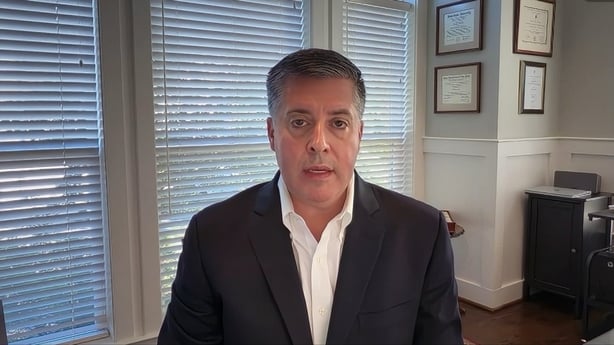
But now that it did not work on Ms Pike, it raises "practical concerns".
Mr Moreno said the failed execution might now incentivise the US to revisit the moral and legal basis by which it enforces capital punishment.
However, he said the majority of Americans still support the death penalty according to opinion polls and want to see it continue. He said he does not see it going away.
He said that the thinking behind the injection is a combination of what is supposed to be the most humane to the person being executed as far as reducing his or her suffering but also reducing the graphic nature of seeing someone being electrocuted or being asphyxiated in a gas chamber or being shot by a firing squad.
On what happens next to Pike, he said a pause or a continuation of the sentence is a "possibility", however, he said there have also been arguments to engage a firing squad.
He said the firing squad is the most effective means of doing this, but it has not been used for a long time.
Pike, boyfriend convicted of stabbing classmate in 1995
Pike and her boyfriend were convicted of the fatal stabbing and beating in 1995 of 19-year-old Colleen Slemmer, their classmate at a job training facility in Knoxville.
The case garnered widespread attention in part because a pentagram that was carved on Ms Slemmer's body and other elements of the crime stoked fears of Satan worship during the "satanic panic" of the 1980s and 1990s.
It was the second time this year that Tennessee has been unable to carry out an execution.
In May, state officials called off the lethal injection of Tony Carruthers, who was convicted of kidnapping and killing three people in 1994, after executioners tried and failed for over an hour to place an IV to administer pentobarbital.
Pike was initially scheduled to be put to death in the morning, and witnesses had gathered at the Riverbend Maximum Security Institution in Nashville when the Sixth Circuit US Court of Appeals voted 2-1 to issue a stay.
Pike's lawyers had argued she should be granted clemency due to her young age and mental health issues at the time of the killing.
They said her history of childhood sexual assault, post traumatic stress disorder and a blood condition meant a lethal injection would cause "needless suffering".
That court said a delay was needed to consider whether Pike's allegations of childhood sexual abuse were fully considered at her sentencing.
The attorney general's office appealed to the Supreme Court, saying that halting the execution at the last moment traumatised Ms Slemmer's family and rewarded "abusive delay tactics" by Pike's attorneys.
Later in the day, the High Court cleared the way for the execution to proceed.
The conservative majority did not explain their order, while the three liberal members signed a dissent that said Pike's claims deserved a closer look.
Supreme Court Justice Sonia Sotomayor wrote in the dissent that the decision to vacate the stay interfered with the Sixth Circuit court's handling of the case and "unnecessarily prevents that court from giving due consideration to Pike's claim".
Tennessee will halt an execution planned for later this year, said Governor Bill Lee, according to US media.
"The remaining scheduled execution will not be carried out this year," Mr Lee was quoted as saying in a statement carried by the Tennessean and NewsNation, adding he was calling for a "comprehensive, third-party review" of the failed execution of Pike.
We need your consent to load this rte-player contentWe use rte-player to manage extra content that can set cookies on your device and collect data about your activity. Please review their details and accept them to load the content.Manage Preferences
Additional reporting by PA
